On Fig

Why Fig

Our story started
on Figueroa.

A street, a few blocks, and a lesson that kept repeating itself until we built something around it.

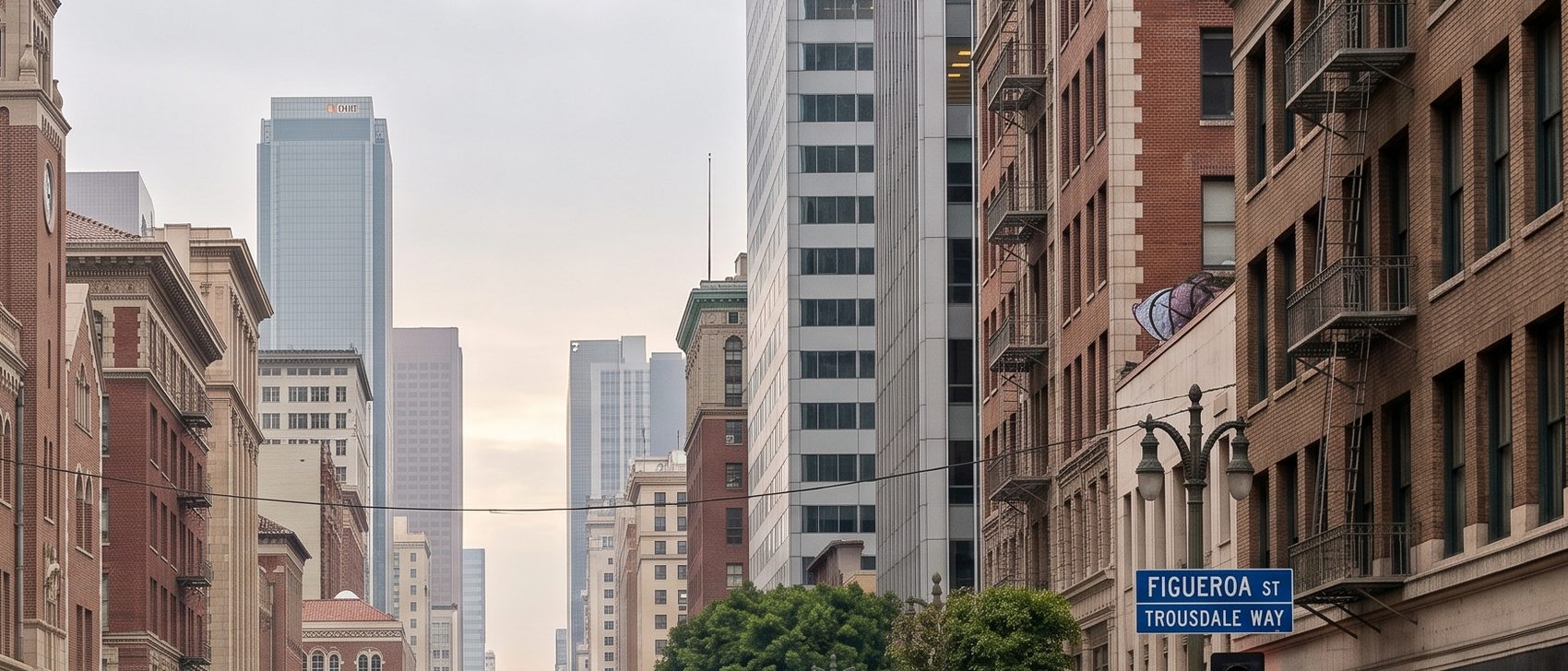
Looking north up Figueroa Street between brick and stone facades toward the downtown Los Angeles towers, with a blue Figueroa St sign at the right.

The street

A few blocks
from campus.

Figueroa Street runs alongside USC in Los Angeles. It is not a landmark. It is a working street — a corridor of storefronts, apartment buildings, bus stops, and people on their way somewhere. It is also where our paths crossed, and where much of what we believe about community, opportunity, and responsibility began.

We were students then. We spent time mentoring girls a few blocks from campus — close enough to walk, far enough that the distance meant something. What we expected was to be useful in some measurable way. What actually happened was simpler and harder to write down.

The thing that made a difference was rarely the advice. It was the fact of arriving. Being there on the day we said we'd be there. Remembering the name of somebody's sister. Reading the essay. Answering the text. Sometimes what changes something is simply having someone show up.

What we learned

Showing up is
a form of capital.

Philanthropy has a habit of measuring generosity in one currency. We watched a different economy work up close — the one where a ride, an introduction, a recommendation letter, or an hour on a Tuesday changes what is possible for somebody.

That economy has always run quietly, without a name for itself. On Fig is our attempt to give it one, and to put real resources behind it.

Pooling what we've got

Project

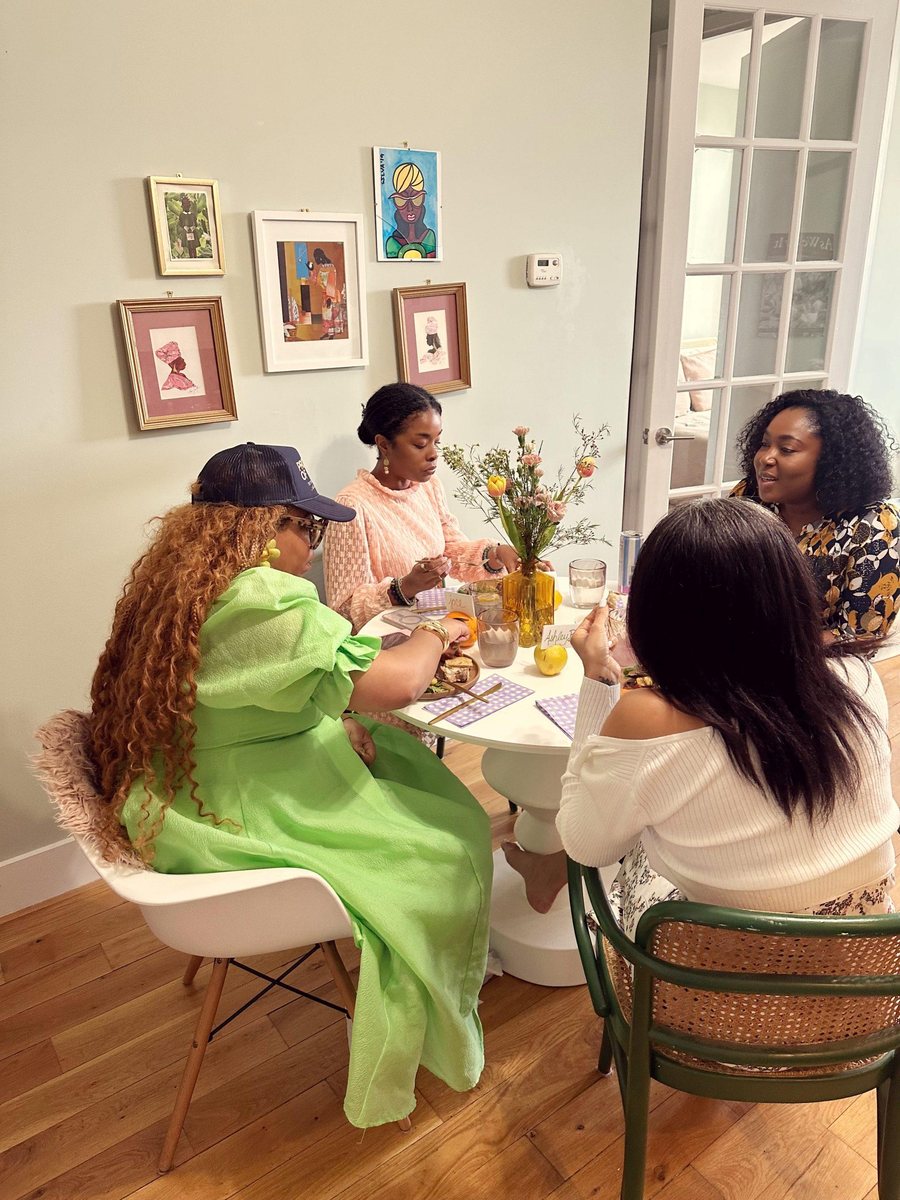
Four women around a small round dinner table mid-conversation — flowers in a yellow vase, place cards, gingham napkins, a gallery wall of framed prints behind them.

Photograph courtesy of Virginia Cumberbatch, from The Art of Hospitality in Essence.

One of the first things that happened under On Fig wasn't a grant. It was a group of friends pooling what they already had so that one of them could have the day she wanted — a wedding, a move, a new start.

She had the venue and the flowers. Someone had the skill. Someone had access to AI tools. Someone else had the time. Piece by piece, everyone brought something that made the whole thing possible.

There was no application and no real distinction between who was helping and who needed help. This time, one person needed something and the others had something to offer. Next time, those roles could easily change.

That became an early model for On Fig: not simply pooling money, but pooling what's available — resources, skills, access, time, connections — and putting it toward what someone needs. Less a traditional fund, more a table where everyone can bring something and, when they need it, take something too.
If you want to go fast, go alone.
If you want to go far, go together.

African proverb

Where it lives

The Fifth Floor.

On Fig is the public-facing philanthropic platform of The Fifth Floor, created by two USC Trojans, ’08, as a home for their shared giving, community projects, and social-impact initiatives.

Some of what happens here is funding. Some is partnership. Some is building something ourselves, because the thing we wanted to support didn't exist yet — which is how YBFF came to be.

There is no application portal, no cycle, no deadline. If you're working on something good, we would like to hear about it, and we'd rather ask what would actually help than send you a form.

Got something good going?

We'd like to hear about it.

Prefer email? Write to hola@onfig.org.